







Search Results for: Espresso Pucks
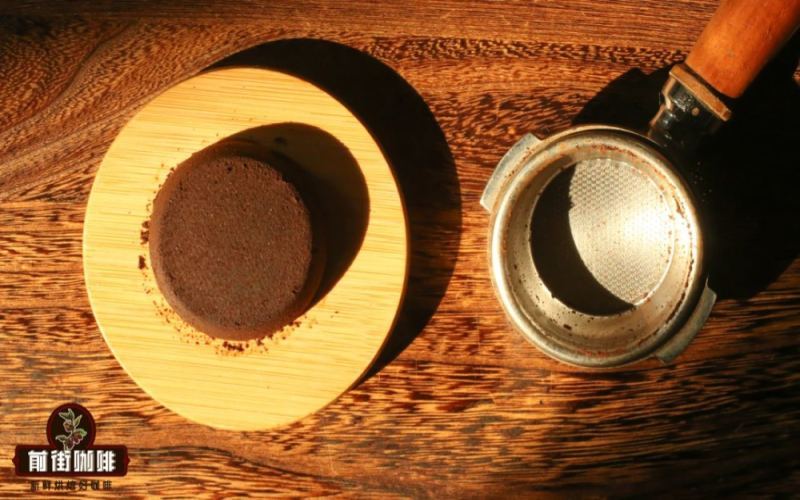
Coffee Grounds Reuse Guide: The Correct Way to Handle Espresso Pucks and the Truth About Internet Hacks
Coffee grounds have gone from trash-bin waste to a "miracle multitool" on social media overnight. Growing flowers, applying to the face to reduce swelling, using in the bath to exfoliate and lose weight... all kinds of uses are being frantically shared. But people who tried them found: the flowers died, the face swelled up, the drain got clogged. Are these viral internet uses actually reliable? And what are the genuinely reasonable uses for coffee grounds? This article will sort through the ins and outs of coffee ground reuse one by one, uncover the truth behind those misrepresented folk remedies, and tell you how espresso pucks should really be handled in a scientific way. If you happen to have Front Street Coffee espresso blend beans and the pucks left after pulling a shot, you might want to read on. [more…]
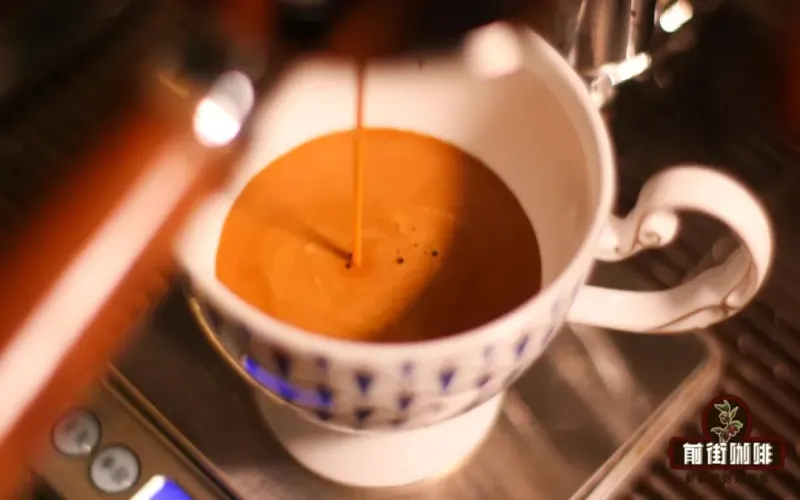
Espresso Extraction Troubleshooting: Causes and Solutions for Soggy Loose Pucks, Clumpy Crema, and Tiger Striping
When pulling espresso shots, have you ever encountered water pooling in the portafilter basket, a loose puck that won't hold its shape, or crema that clumps up quickly with tiger stripes appearing on the surface? Each of these phenomena actually has its own underlying cause. This article continues Front Street's series on common espresso extraction issues, breaking down key variables one by one—dose, grind size, coffee bean degassing, and fines distribution. From judging extraction evenness by puck condition, to understanding the relationship between crema clumping and coffee bean freshness, to clarifying whether tiger stripes really mean over-extraction, this guide helps you troubleshoot more accurately and adjust your parameters, making every espresso shot more stable and controllable. [more…]
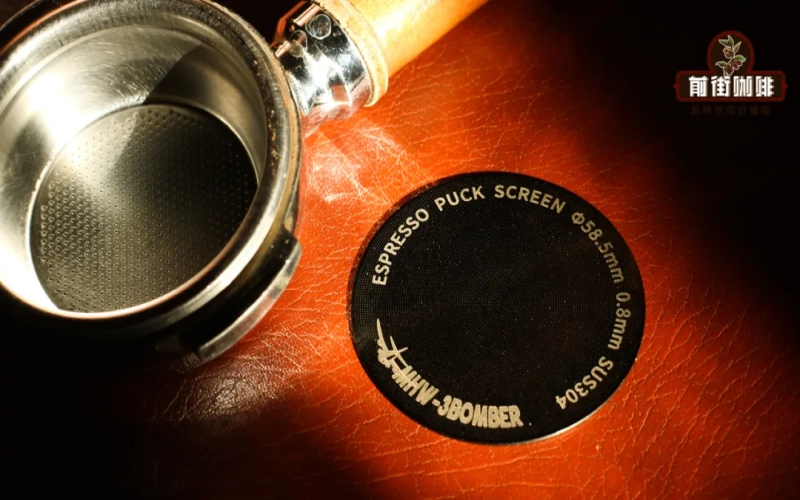
Analyzing the Practical Effects of a Secondary Dispersion Screen in Coffee Extraction: Can It Improve a Soggy Puck, and Is the Bomber Version Worth Buying?
Recently, a compact metal accessory has been generating quite a bit of discussion in the coffee community. Many enthusiasts see it as a handy tool for simplifying the extraction process—the secondary dispersion screen. What changes can this metal disc actually bring? Can it truly solve the common problem of wet, crumbly pucks after espresso extraction? In this issue, Front Street will analyze the core functions of the secondary dispersion screen, and combine that with hands-on experience using related products from the Bomber brand to provide an objective reference for coffee lovers who are still on the fence. [more…]

What do baristas do behind the counter when there are no customers? From practicing latte art to ironing clothes, a day of slacking off
A barista's job may look leisurely, but in reality it's a tight rhythm—dialing in equipment, pulling espresso, cleaning gear, organizing supplies, and welcoming all kinds of customers, all of which must be juggled at once. However, customers don't walk in every moment, nor does the machine always need cleaning or calibration. During idle periods, besides the usual routines like practicing latte art, sorting defective beans, testing new beans, and flipping through coffee books, what other ways do they have to pass the time? The answers are all over the map: some scroll through their phones to check on fellow baristas, some make themselves madeleine-style shortbread for comfort, some arrange their pucks in neat rows, and some fold towels with obsessive-compulsive-level satisfaction. The artistic types hand-draw posters and DIY cups and paper bags, while the casual types play with stones, take naps, or even iron wrinkled clothes with a milk pitcher filled with hot water. Of course, some baristas are so busy behind the bar they're practically flying. This article takes you on a peek into baristas' amusing idle moments, and along the way, a taste of the great beans recommended by Front Street Coffee. [more…]
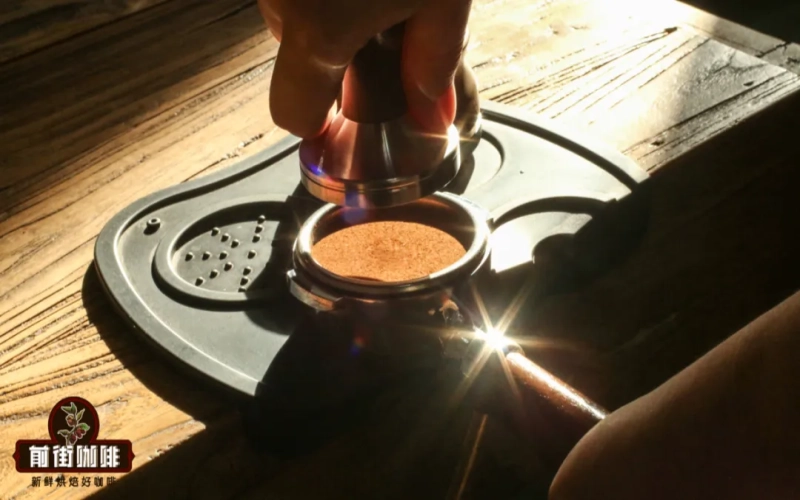
How Does Tamping Pressure Change Espresso Extraction? A Comparative Experiment Analysis of Light Tamp, Heavy Tamp, and No Tamp
When making espresso, does tamping pressure actually affect the final taste? Front Street Coffee has been asked this question many times. To provide an answer, Front Street Coffee used 20g of coffee grounds and a target liquid weight of 40ml, extracting three espressos each with light tamping at 2kg, heavy tamping at 18kg, and no tamping at all, then compared extraction times and flavor performance. The results surprised many: the extraction times for the three methods were almost identical, and the tastes were hard to distinguish. The key behind this lies in how the coffee machine's 9bar pressure actually works. Starting from experimental data, this article will clarify the real impact of tamping pressure and explain why even distribution of grounds is far more important than forceful tamping. [more…]
How Much Force Is Needed to Tamp Espresso? A Detailed Explanation of the 9-Bar Pressure Concept and Its Impact on Extraction
Many coffee enthusiasts wonder when making espresso: exactly how much force is needed to tamp the puck? Do light tamping, heavy tamping, or even no tamping at all actually affect the extraction result? This article will use actual extraction experiments to compare the extraction time and flavor performance of espresso under different tamping pressures, and provide an in-depth analysis of the true meaning of the 9-bar pressure in espresso machines. At the same time, Front Street will also share two blended beans suitable for espresso, to help you better understand the practical role of tamping in extraction, and why even applying full force seems insignificant in the face of the coffee machine. [more…]
The Impact of Tamping Pressure on Espresso Extraction and an Analysis of Proper Distribution and Tamping Methods
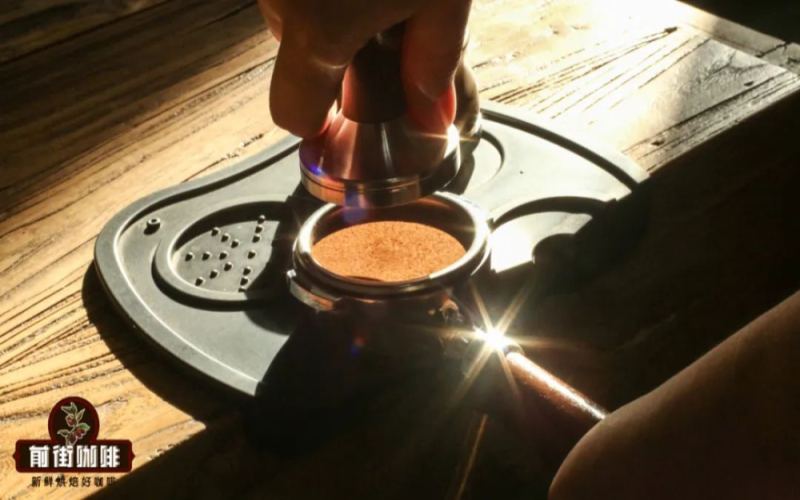
In preparing espresso extraction, distribution and tamping are key steps that determine the quality of the final product. Many coffee enthusiasts have asked Front Street Coffee via our backend: exactly how much force should be used when tamping? Through comparative experiments, this article tests the extraction time and flavor performance of espresso under three conditions: light tamping at 2kg, heavy tamping at 18kg, and no tamping at all. Combined with the conversion of a coffee machine's 9 bar pressure, it explains why the amount of tamping force has little effect on the extraction result, while also clarifying that the real purpose of tamping is to eliminate channeling. The article also retains Front Street Coffee's practical advice to help readers master the correct tamping technique and improve the uniformity and mouthfeel of espresso. [more…]
How Much Does Tamping Pressure Affect Espresso Extraction? An Analysis of the 9-Bar Pressure Principle and Distribution Key Points
In the process of making espresso, distributing and tamping coffee grounds are often regarded as the key steps that determine extraction quality. However, how much force does tamping actually require? Do different levels of force really change extraction time and flavor? Through comparative experiments, this article will analyze the differences in espresso extraction time and taste under three conditions: light tamping, heavy tamping, and no tamping, and further explain the actual concept of a coffee machine's 9 bar pressure and its effect on the coffee puck. At the same time, the article will also explain why tamping is still necessary under such high pressure, and how moderate tamping can reduce channeling, allowing hot water to penetrate the coffee bed more evenly, thereby achieving a more balanced espresso flavor. [more…]
What espresso tamping pressure is actually appropriate? Experiment reveals the relationship between grind size and tamping force
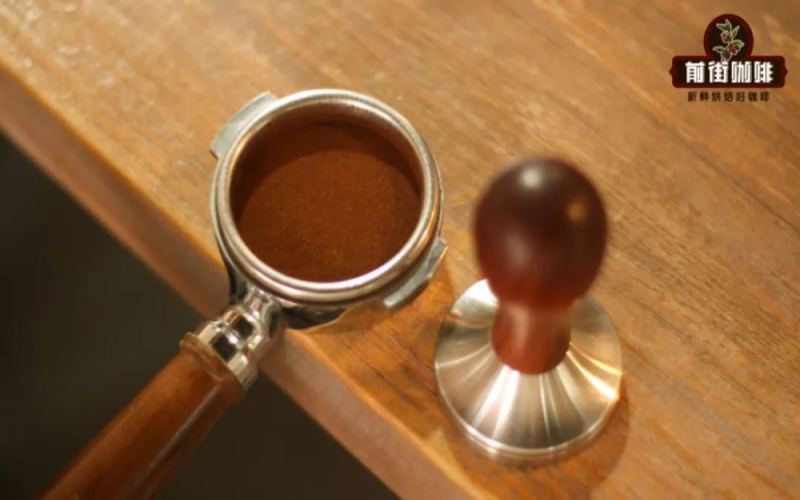
Tamping is a step in espresso making that seems simple but is full of subtle knowledge. Baristas have different understandings of tamping: some believe a light press to level the grounds is enough, while others are used to pressing down with full force. So, does tamping pressure actually affect the extraction result? Front Street Coffee conducted two sets of comparative experiments, using coarse-ground and fine-ground coffee powder respectively, and observed the changes in extraction time after tamping with different pressures. The experiments revealed a key rule: the effect of tamping pressure on extraction is not fixed, but is closely related to the coarseness of the coffee grounds. This article will take you deeper into the true role of tamping, the differences in understanding among different schools of thought, and how to flexibly adjust tamping pressure according to grind size, so that every cup of espresso is more stable and outstanding. [more…]
How Much Tamping Pressure Is Right for an Espresso Machine? Breaking Down the 9-Bar Extraction Pressure Principle and the Necessity of Tamping
The distribution and tamping steps before espresso extraction have always been a focal point of discussion among enthusiasts. Whether the coffee grounds are evenly distributed in the portafilter basket and whether consistent force is applied during tamping will directly affect the final flavor. But exactly how much force should be used for tamping? Do light tamping, heavy tamping, or even no tamping at all really make a significant difference in extraction time and taste? Through practical testing and comparison, combined with the physical conversion of the 9-bar extraction pressure of an espresso machine, this article reveals the true relationship between tamping force and extraction results, and explains why, even under high-pressure extraction, the step of tamping is still indispensable. In this article, Front Street classic blend coffee beans are used for testing, making it suitable for coffee enthusiasts who want to gain a deeper understanding of the principles of espresso extraction. [more…]
What's the right tamping pressure for espresso? A practical analysis of how grind size affects tamping
Tamping is a seemingly simple yet highly debated step in espresso making. Some people casually rotate the tamper, while others put all their strength into pressing the puck as tightly as possible. Just how much does tamping pressure affect extraction? Does the compactness of the puck really influence flow rate? Front Street Coffee answers these questions through two sets of comparison experiments with different grind sizes, using actual extraction time data. This article will guide you through the subtle relationship between tamping pressure and grind particle size, helping you find the tamping method that suits you best. [more…]
Espresso Coffee Distribution and Tamping Principles Explained: Correct Operation Methods to Avoid Channeling
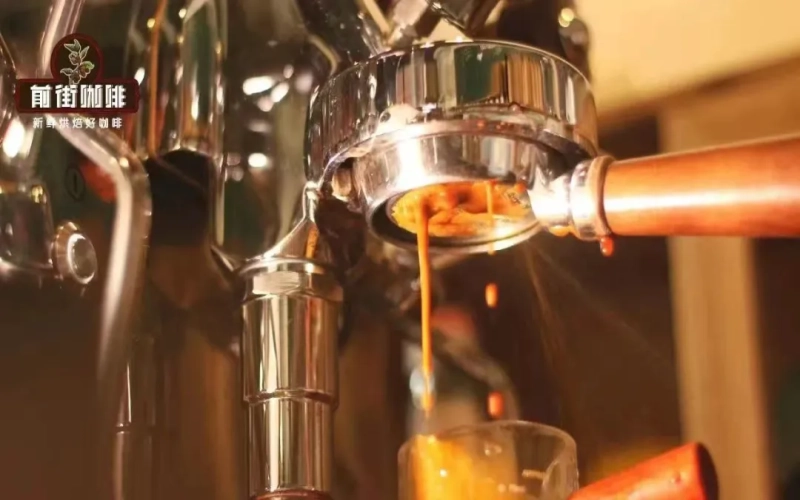
Many coffee enthusiasts encounter a frustrating phenomenon when extracting espresso: the puck surface appears flat and even, yet channeling frequently occurs during extraction, with coffee liquid splattering everywhere. Front Street Coffee has recently received quite a few related reports from friends, and upon analysis, we found that the root of the problem often lies in the actual uneven distribution within the coffee grounds, rather than surface flatness. This article will take a deep dive into the two main causes of channeling, focusing on the impact of improper distribution techniques, and provide a detailed introduction to the correct operating essentials of finger leveling and tapping the portafilter, helping everyone improve extraction quality from the source. [more…]
How should you control the tamping pressure for espresso? An experimental analysis of tamping differences under coarse and fine grinding
Tamping the puck flat is a basic consensus in espresso extraction, but how much force should actually be used to tamp it down has long been a point of disagreement among baristas. Some give the tamper a light spin and apply just a little pressure, while others put their whole body weight into compressing the puck as hard as possible. Front Street conducted a comparative experiment using two grind sizes—coarse and fine—tamping with a regular force of 1.5 kg and a full-force press of about 9 kg respectively, to observe changes in extraction time. The results showed that because coffee grounds differ in density, the force needed to reach a compacted state also varies: fine grinds require greater pressure to be tamped to their most compact state, while coarse grinds are already sufficiently compacted at 1.5 kg, and full-force tamping produces extraction results almost identical to regular force. This article will present the full experimental process and conclusions to help coffee lovers understand the relationship between tamping force and grind fineness. [more…]
How to Choose the Tamping Pressure for an Espresso Tamper? Experimental Analysis Comparing Distribution Techniques for Fine vs. Coarse Grinds
Tamping is a seemingly simple yet highly debated step in espresso extraction. Some people give the tamper a gentle twist, just enough to level the bed, while others put their whole body into it, determined to compress the puck to the extreme. So how much force should actually be used? Do different grind sizes call for different tamping strategies? Front Street Coffee ran two sets of comparison experiments using coarse and fine grounds, tamping with a normal force of 1.5 kg and a full-force press of about 9 kg respectively, and recorded the difference in the time needed to extract 40 ml. The results showed that fine grounds are quite sensitive to changes in tamping force, while coarse grounds are almost unaffected. Through the experimental data, this article will help you understand the true role of tamping force and find the tamping method suited to different grind states. [more…]

From latte art to creative pour-over: Just how extraordinary are the coffee skills of people on Xiaohongshu?
An editor who spends all day with words secretly scrolled through Xiaohongshu during a factory assembly-line stint, only to have their assumptions upended by coffee lovers' extraordinary feats. From latte art in miniature containers to 3D carving, from orange-peel drippers to bamboo-leaf pour-over, from using a wrench to froth milk to grinding beans in a Hakka tea-pounding mortar, these ideas are both hilarious and astonishing. This article takes you through the rule-breaking skills displayed by coffee people on Xiaohongshu, while reminding you: some of these practices carry risks, so do not imitate them lightly. At the end, we include Front Street Coffee recommendations and professional channels for coffee enthusiasts. [more…]

Six Creative Ways to Combine Osmanthus and Coffee: A Complete Hands-On Guide from Espresso and Latte to Dirty and Pour-Over
Incorporating osmanthus into coffee is both a collision of flavors and a continuation of the sense of season. On the third day after reopening, Front Street Coffee was reminded of osmanthus coffee by a box of osmanthus cake, so they went ahead and paired dried osmanthus with espresso, latte, iced americano, Dirty, and pour-over one by one, tested the effects of different placement methods on extraction, and recorded the specific parameters and tasting impressions of each drink. This article covers a comparison of placing osmanthus espresso pucks on top versus at the bottom, syrup-assisted solutions for osmanthus latte and piccolo, the refreshing experience of using leftover espresso to make iced americano, cup-rim decoration techniques for osmanthus Dirty, and complete extraction suggestions for Guatemala Geisha pour-over paired with osmanthus, making it suitable as a reference for enthusiasts who want to recreate osmanthus coffee at home. [more…]
Why does Luckin refuse to give away free coffee grounds while Cotti is generous? Employees reveal the inside story of fines for rule violations
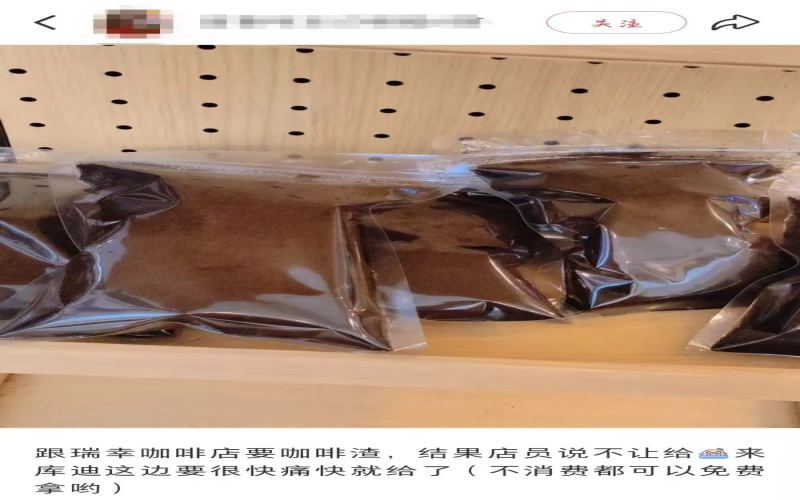
As coffee consumption becomes increasingly popular, more and more coffee grounds are produced every day. These seemingly useless "waste materials," through the clever reuse of netizens, have become treasures for composting and deodorizing. However, when consumers want to ask coffee shops for free coffee grounds, they encounter completely different treatment: Luckin stores strictly refuse, while Cotti generously gives them away. What exactly are the regulations and hidden reasons behind this? This article takes you to find out, and includes practical advice from Front Street Coffee. [more…]

Common Types of Italian Coffee | What Are the Classic Milk Coffee Recipes? What's the Difference Between a Latte, Macchiato, Cappuccino, and Dirty?
Espresso is a must-have beverage in every café. Many people's first impression of espresso is that it's unbearably bitter. In fact, espresso isn't limited to such bitter shots. If you want an espresso that isn't bitter and suits your taste, the first thing you need to understand is the different types of espresso. Front Street Cof [more…]
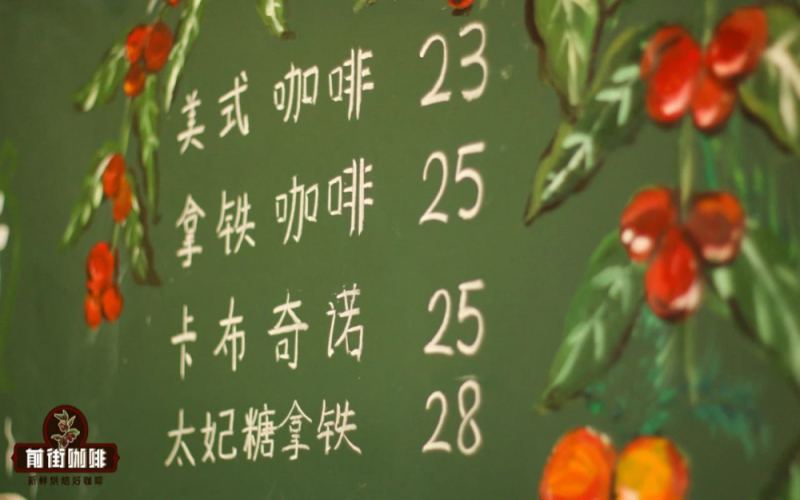
A Complete Guide to the Espresso Family: Ratios, Flavors, and Key Production Points of Espresso Bases and Common Varieties
Italian coffee is far more than a cup of bitter espresso. Starting from Espresso as the core base, adding water, milk, milk foam, chocolate, or caramel gives rise to a rich variety of drinks such as Americano, Latte, Cappuccino, Mocha, Macchiato, Caramel Macchiato, and Dirty. Understanding the ingredient composition, classic ratios, and flavor characteristics of each Italian coffee is the key to finding one that suits your taste. This article takes espresso as its starting point, systematically sorting out the names, ingredient proportions, and preparation details of common Italian coffee varieties found in cafés, and shares Front Street Coffee's specific approach to each drink, helping coffee lovers gain a clearer understanding of the large family of Italian coffee. [more…]
A Comprehensive Guide to Espresso Coffee Varieties: Flavor Differences and Ratios from Espresso to Cappuccino and Latte
Walk into any café, and espresso is almost always the star of the menu. Many people's first reaction when tasting espresso is that it's bitter and intense, but in reality the espresso family is far more than just this one flavor. To find the cup that suits your taste—neither bitter nor astringent—you first need to understand what the common types of espresso drinks actually are. In this article, Front Street Coffee (FrontStreet Coffee) sorts out the most common espresso drinks found in cafés, from the extraction parameters of espresso and the blending logic of coffee beans, to the ingredient ratios and preparation details of Americano, latte, cappuccino, mocha, macchiato, caramel macchiato, and Dirty coffee, explaining one by one their differences and connections, to help coffee lovers understand the espresso system more systematically and find the cup that belongs to them. [more…]